Zero to Landfill: Can Your Household Really Achieve It?
The phrase "Zero to Landfill" is everywhere in 2026, but what does it actually mean for the average UK household? At its core, it signifies a commitment to ensuring that absolutely no waste generated by a home ends up buried in the ground.
How Does It Work?
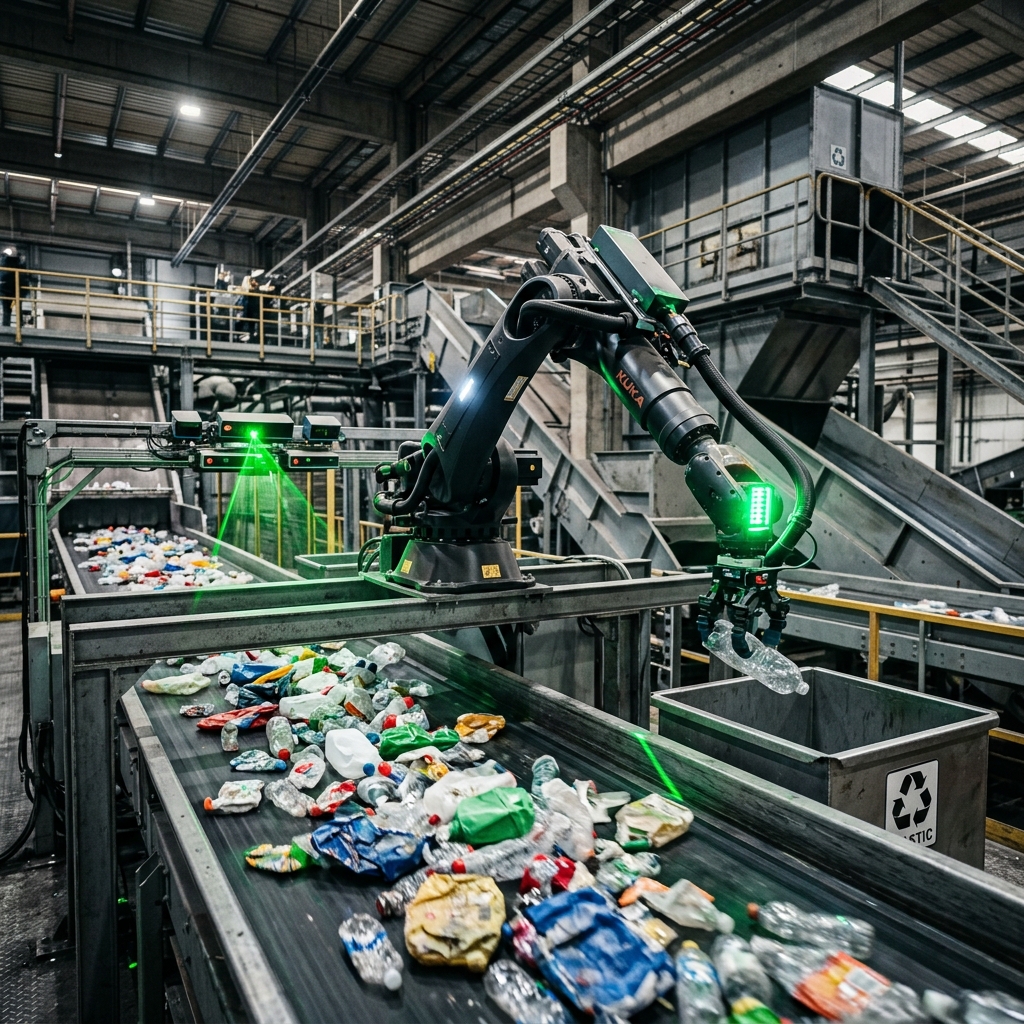
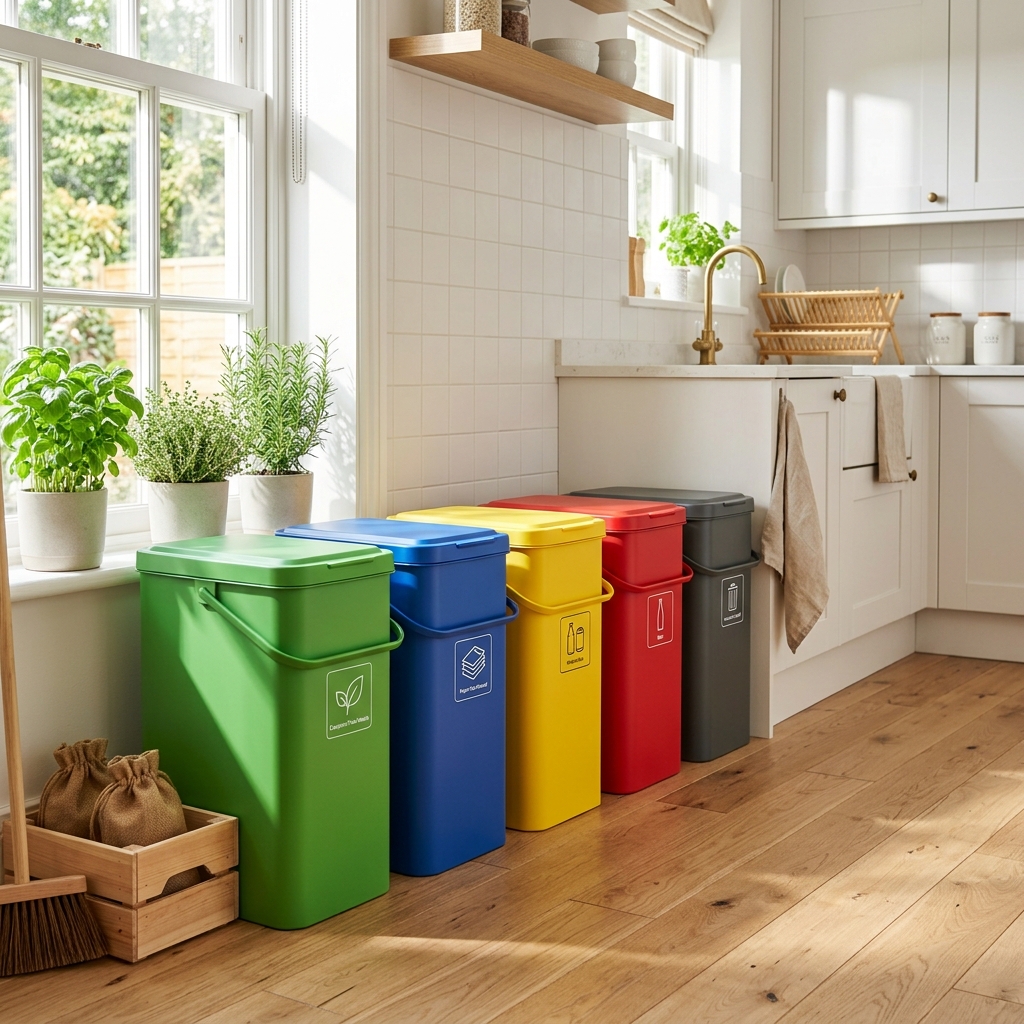
Achieving zero-to-landfill requires a robust sorting strategy. It starts in the kitchen. By segregating organic waste, clean paper, highly recyclable polymers, and mixed residual waste, households massively increase the primary recycling efficacy. The remaining unrecyclable waste isn't thrown in a hole; instead, it is diverted to advanced Energy-from-Waste (EfW) facilities that securely incinerate the rubbish to generate electricity for the national grid.
3 Steps to Transform Your Home
- Audit Your Bins: Spend a week tracking what you throw away the most. Usually, it's single-use plastics or food scraps.
- Setup Micro-Bins: Don't rely on one big kitchen bin. Install a multi-compartment system so sorting becomes an unconscious habit.
- Hire Ethical Clearances: For large cleanouts, never hire a generic "man with a van". Always ensure they are Upper Tier Waste Carriers (like EcoTrash) who guarantee diversion rates.
Zero to landfill isn't just an industrial buzzword anymore; it's an accessible lifestyle choice that protects the environment for future generations.
Olu Soremekun
Head of Sustainability