
How to Dispose of Cat Litter Waste: The Ultimate Guide
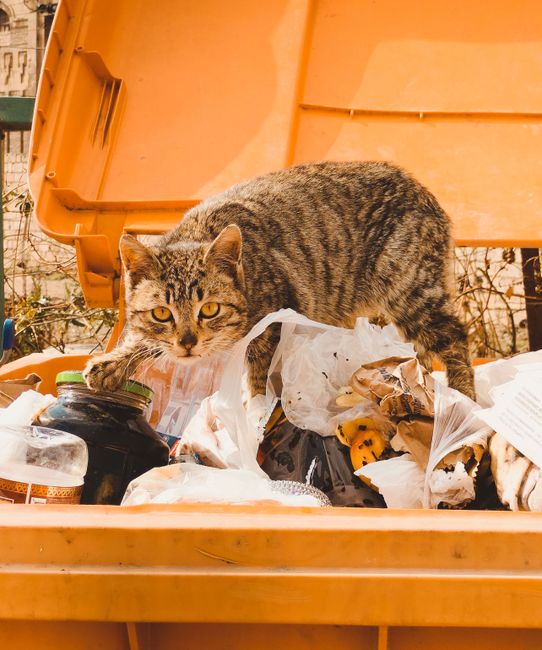
The most responsible way to dispose of cat litter waste in the UK is to scoop it into a biodegradable bag, tie it securely, and place it in your general household waste bin. Never flush cat litter down the toilet or place it in your garden waste bin.
The Golden Rule of Cat Litter Disposal
Let’s be honest. Nobody gets a cat for the litter tray. We get them for the headbutts, the purrs, and the occasional mouse left as a "gift" on the doormat. But what goes in must come out, and dealing with it is just part of the bargain.
When it comes to figuring out how to dispose of cat litter waste, the internet is full of conflicting advice. Some say flush it, some say compost it, and others suggest flinging it into the neighbour's garden (please don't).
Here is the simple, memorable truth: Bag it and bin it in your general waste.
Why? Because your general household waste bin is collected and sent to a landfill or incineration facility that is fully equipped to handle pet waste safely. It keeps odours contained, keeps bin collection crews safe, and keeps our waterways crystal clear.
Step-by-Step: The Perfect Disposal Routine
Getting your routine right means less time holding your breath and more time enjoying your feline friend. Here is the foolproof way to handle the daily scoop:
- Arm Yourself: Grab a sturdy, biodegradable poop bag.
- Scoop the Clumps: Sift out the solid faeces and the urine clumps daily. Doing this every single day is the secret to a house that doesn't smell like a giant litter tray.
- Seal the Deal: Push the air out of the bag (point it away from your face!), twist the top, and tie a tight knot.
- Bin It: Drop the sealed bag straight into your outdoor general waste bin. Ensure the bin lid is firmly closed to keep out foxes, badgers, and curious neighbourhood dogs.
Why You Should Never Flush Cat Litter
It sounds so convenient, doesn't it? Just scoop it, drop it in the loo, and pull the handle. Out of sight, out of mind.
Except, it’s a disaster waiting to happen.
Even if you buy a brand that proudly proclaims itself "flushable" on the packaging, water companies across the UK practically beg you not to do it. Here is why flushing is off the table:
- The Plumbing Peril: Cat litter is designed to do one thing exceptionally well: absorb moisture and expand. When it does that inside your pipes, it creates a concrete-like blockage that will cost a small fortune in plumbing fees to clear out.
- The Environmental Nightmare: Cat faeces can carry a parasite called Toxoplasma gondii. Our local water treatment plants are simply not designed to filter out these hardy little pathogens. If they slip through the net, they end up in our rivers and oceans, posing a severe threat to marine life, particularly sea otters and seals.
The Compost Conundrum
"But my litter is made of wood pellets! It's 100% natural!"
That’s fantastic for your carbon footprint, but it still doesn't mean it belongs on your compost heap.
While the litter itself might be biodegradable, the waste it holds is not safe for home composting. Typical garden compost bins do not reach the searing temperatures required to kill off the bacteria and parasites found in cat poo. If you spread that compost on your vegetable patch, you risk contaminating your own food supply.

Frequently Asked Questions (People Also Ask)
Can you flush cat poo down the toilet?
No. You should never flush cat faeces or cat litter down the toilet. It can cause severe blockages in your home's plumbing and introduces harmful parasites into the public water system that treatment plants cannot filter out.
Can you put cat poo in the garden waste bin?
Absolutely not. Council garden waste and food waste bins are sent to industrial composting facilities. These facilities explicitly ban all pet waste, as the pathogens present in the faeces can ruin entire batches of municipal compost.
How often should you change cat litter?
You should scoop out solid waste and clumps every single day. The entire tray should be emptied, washed with mild soap and warm water, and refilled with fresh litter approximately once a week, depending on how many cats you have and the type of litter you use.
What happens if you breathe in cat litter dust?
Inhaling small amounts of dust while pouring new litter isn't usually dangerous, but it can irritate the lungs and trigger asthma flare-ups over time. To minimise dust, pour the litter slowly, use a low-dust or dust-free brand, and consider wearing a mask if you are particularly sensitive. Pregnant women should avoid changing the litter entirely due to the risk of Toxoplasmosis.
A clean tray makes for a happy cat, and responsible disposal makes for a happy planet. Keep it simple, bag it securely, and your feline friend will continue to be the best roommate you've ever had.
Olu Soremekun
Head of Operations
Related Articles

How to Reduce Waste at Home: The Ultimate Guide

House clearance doesn't have to mean a weekend of tears and dust. Discover 5 genius hacks that turn a decluttering disaster into a stress-free triumph